A step‑by‑step guide to crafting the perfect custom suit in Brisbane
Finding the perfect suit goes far beyond choosing a colour or type of material; it should feel like it belongs to you the moment you put it on. It should fit properly, move comfortably and reflect who you are, for the occasion it's for, and every time after that.
If you’ve been looking into custom suits in Brisbane or searching for a bespoke tailor Brisbane locals trust, this guide walks you through everything you need to know. From understanding suit styles and fabrics to navigating our bespoke process and accessorising your look, you'll learn how Patrick Mackenzie crafts garments that balance elegance, comfort and personal expression.
Key takeaways
- A custom suit should feel personal from the moment you put it on, combining comfort, movement and timeless style.
- Choosing the right fit, fabric and structure matters just as much as colour, especially in Brisbane’s climate, where breathable, lightweight materials perform best.
- Different occasions call for different styles, whether that’s a sharp business suit, relaxed linen tailoring or a classic tuxedo for formal events.
- The bespoke process is highly collaborative, with fittings and adjustments helping create a flawless fit that feels natural to wear and reflects your personal style.
- Patrick Mackenzie combines tailoring expertise, a curated collection of premium fabrics and careful attention to detail to create suits that are refined, comfortable and built to last.
Understanding Suit Styles and Choosing the Right One
A well‑chosen suit speaks volumes, so the first thing you're going to want to do is decide which style matches your occasion and personality:
Single‑breasted vs. double‑breasted
Single‑breasted suits are versatile and appropriate for business, weddings or smart casual events. A two‑button jacket creates a balanced V‑shape and suits most body types.
Double-breasted suits have a confident, classic look, with overlapping fabric at the front and wider peak lapels that stand out naturally. They work especially well for taller builds. formal events or for anyone wanting something a little bolder than a standard suit.
Tip: When deciding between the two, consider your body proportions and the message you want to convey.
Two‑piece, three‑piece and tuxedos
Two‑piece suits (jacket and trousers) are ideal for everyday business wear or semi‑formal events.
Three‑piece suits include a vest (waistcoat), adding formality and allowing you to remove your jacket while still looking polished. They're excellent for winter weddings and corporate functions.
Tuxedos, or dinner suits, are reserved for black‑tie occasions; they typically feature satin lapels, satin‑striped trousers, and a shawl or peaked lapel. For grooms or gala attendees, a custom tuxedo ensures you look refined and perfectly fitted.
Tip: Choose your suit style based on the occasion and how formal you want the look to feel.
Suit cuts for different body types
- Slim fit: Best for lean or athletic builds, slim‑fit suits have narrow lapels, tapered sleeves and trousers that hug the legs. They project a contemporary, youthful look. That said, a suit should still feel comfortable to wear, so it’s important not to go so fitted that movement becomes restricted.
- Classic/regular fit: A versatile option with moderate lapel width and a slightly relaxed silhouette. This cut accommodates a wider range of body types and remains appropriate for professional settings.
- Relaxed or unstructured fit: Also known as Neapolitan or soft tailoring, unstructured suits lack heavy padding and canvases. They're comfortable and perfect for Brisbane's climate, especially for casual events or creative professions. This style looks especially good when crafted from linen or linen blends.
For more details on suit styles, refer to our Tailored Suit Fit Guide
Suiting for different occasions
- Business suits: Darker colours like navy, charcoal and mid-grey are timeless, versatile choices for business attire. Subtle patterns such as pinstripes or birdseye can add a bit of personality while still looking professional and polished.
- Wedding suits and tuxedos: For weddings, lighter tones like grey, beige or ivory work beautifully for outdoor settings, especially in a three-piece suit. For black-tie celebrations, a custom tuxedo with satin lapels brings a more formal, refined feel. Finishing touches like a tailored shirt, waistcoat and carefully chosen accessories help pull the whole look together.
- Smart casual and social suits: For a more relaxed look, unstructured blazers in linen, cotton or lightweight wool pair easily with chinos or even dark jeans. They’re perfect for cocktail events, dinners, date nights or workplaces with a more creative dress code.
Understanding these styles will help you communicate your needs during your consultation, ensuring your suit reflects your personality and the event's formality. Our tailor will guide you through options, but having a sense of what you like makes the process smoother.
Fabrics and Climate: Selecting the Right Cloth for Brisbane
Choosing the right fabric is fundamental to comfort and longevity. In Brisbane’s warmer climate, lighter and more breathable fabrics tend to work best, helping you stay comfortable without losing structure or shape. Here are some of the most popular options:
- Lightweight wool: High‑twist wool is naturally breathable and wrinkle‑resistant. It drapes beautifully and adapts to both warm and cool environments. For year‑round wear, opt for super 100s to 120s mid-weight fabrics.
- Wool–linen blends: Linen is known for its breathability and relaxed texture. When blended with wool, it holds its shape better and creases less easily, while still keeping that airy, effortless look. It’s a great option for summer weddings and outdoor events.
- Pure linen: Perfect for beach weddings and more relaxed occasions, thanks to its lightweight feel and easy, laid-back look. They do crease more naturally, but that’s part of the charm. When tailored well, a linen suit feels effortless and stylish.
- Cotton and stretch cotton: Cotton twill or seersucker feels breathable and slightly more relaxed than traditional wool, making it a good fit for warmer days. Stretch cotton adds a bit more flexibility and comfort, especially if ease of movement is important to you.
- Velvet or wool–silk blends: For tuxedos or winter events, opt for velvet jackets or silk‑blended fabrics that create a luxurious sheen.
For more details on fabric selection, refer to our handbook to suit fabrics
During your consultation, we’ll talk through how different fabrics handle Brisbane’s heat and humidity, how various linings affect comfort, and which options work best with the style and fit you’re after. The goal is to craft a tailored suit that not only looks good, but feels comfortable and easy to wear wherever you’re headed.
The Patrick Mackenzie Made‑to‑Measure Process
A bespoke suit is the culmination of craftsmanship and collaboration. Our four‑step process ensures every garment fits like a second skin and expresses your personality:
1. Consultation and measurements
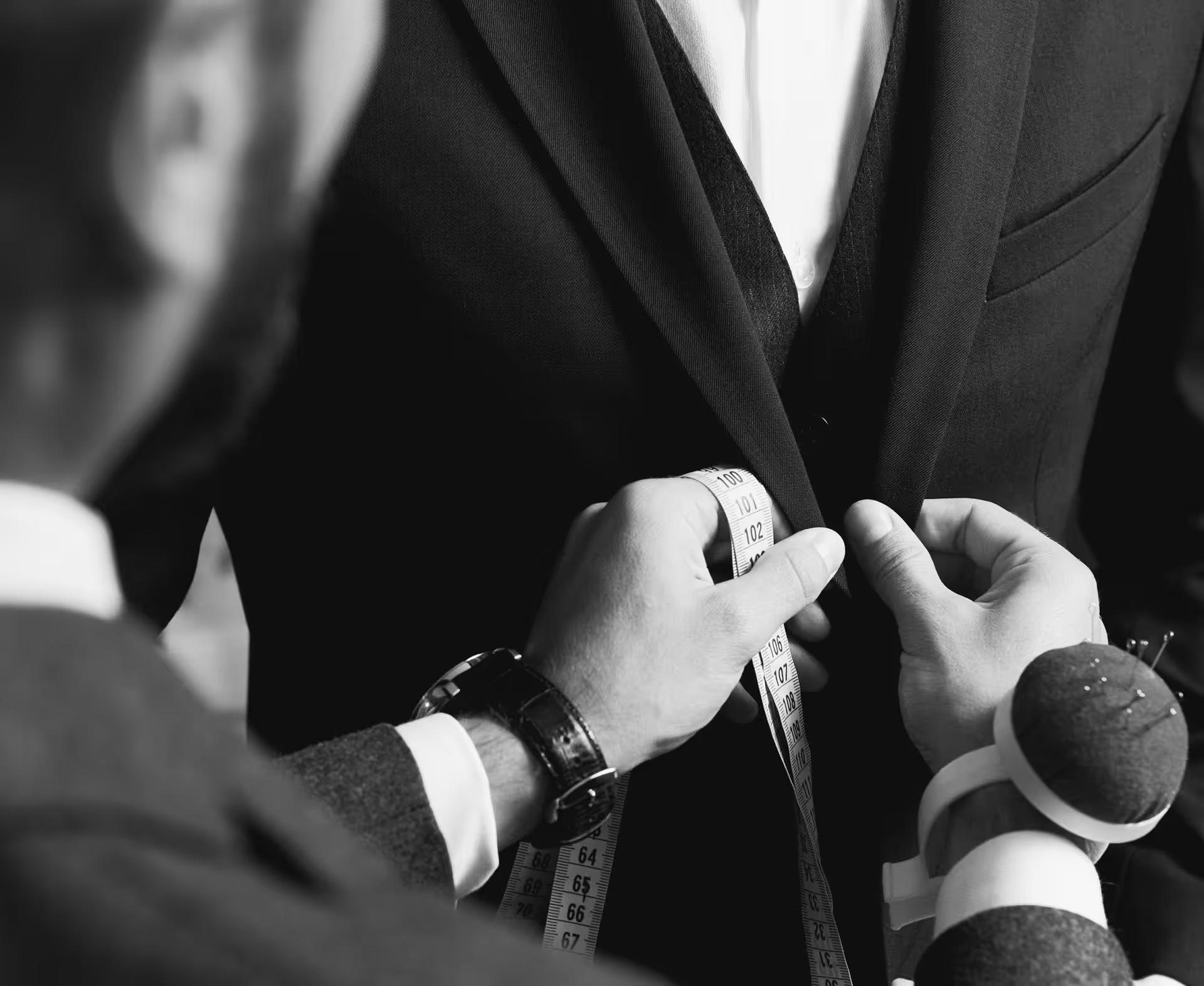
We begin with a relaxed discussion in our Brisbane showroom. We ask about your profession, lifestyle, upcoming events and style icons. Our tailor takes multiple measurements, chest, waist, hip, shoulder width, arm length, posture and stance, to create a personalised pattern. We also evaluate your natural posture to determine appropriate adjustments that improve balance and comfort.
2. Design and fabric selection
Next, you'll explore our extensive range of premium fabrics and choose the colour, weight and texture that resonate with you. We'll help you decide on lapel style (notch, peak or shawl), pocket configuration (straight or slanted), trouser pleats, cuffs and vent options. For wedding suits, we often incorporate special lining colours or monograms. This stage ensures your suit looks cohesive and expresses your personal style.
3. Baste fitting
Several weeks later, you'll try on your suit in "baste" form. At this stage, the garment is roughly assembled using temporary stitching, so adjustments are easily made. You'll see how the fabric drapes and moves with you. We fine‑tune the fit, adjusting the shoulder slope, waist suppression, sleeve length and trouser taper, until every seam sits just right.
This fitting is one of the most important parts of the custom tailoring process, helping ensure your suit arrives feeling like the perfect fit from day one.
4. Final fitting and delivery
After our workshop completes the final construction, you'll return for your final fitting. We review every detail, making minor tweaks to sleeve pitch, hem length or button placement as needed. When you're happy, we press and prepare your suit for collection. Your personalised pattern is stored on file so that future orders, whether a second pair of trousers or a new jacket, can be made with minimal fittings.
Accessories and Finishing Touches
The right accessories elevate your look from well‑dressed to unforgettable. Here are a few ways to personalise your suit:
- Custom shirts: A bespoke shirt complements your suit's proportions and ensures collar points sit perfectly under the lapels. Choose from fabrics like Egyptian cotton or linen and add details like monogrammed cuffs or contrast stitching for a more modern style.
- Ties and pocket squares: Silk or wool ties bring colour and texture. A patterned tie paired with a complementary pocket square adds visual interest. For weddings, coordinate these elements with your partner's outfit for cohesion.
- Cufflinks and tie bars: These smaller accessories are where a bit of personality can come through. Some people keep it classic with simple silver or gold, while others prefer something engraved or more distinctive for special occasions.
- Belts and shoes: Your belt should match your shoe colour. Opt for leather oxfords, derbies or loafers depending on formality. For tuxedos, patent leather shoes complete the look.
- Boutonnières and lapel pins: For weddings or special occasions, a flower or pin adds a touch of elegance to your lapel. A simple rose or a metallic pin adds polish without overwhelming your look.
Our bespoke stylists will help you select accessories that complement your custom suit, ensuring a cohesive, personalised ensemble.
Why Choose Patrick Mackenzie for Your Bespoke Suit?
Choosing a bespoke tailor is an investment in how you look, feel and carry yourself. At Patrick Mackenzie, we combine custom service with years of tailoring experience to create garments that feel considered, comfortable and made entirely for you.
Here is why so many people are choosing to go bespoke:
A more personalised experience
Every suit is crafted around the individual. From the fit and fabric through to the finer details, the whole process is tailored to your style, lifestyle and the occasions you’re dressing for.
Fabrics suited to Brisbane
We work with some of the finest mills across Europe and beyond to offer lightweight wools, wool–linen blends, cottons and silks that stand up to Brisbane's humidity. You'll select linings, buttons and canvases to complement your style.
Classic tailoring with a modern feel
The house style combines traditional tailoring techniques with cleaner, more contemporary cuts inspired by both Savile Row and modern European tailoring, creating suits that feel timeless without looking dated.
The details make the difference
From the drape of the jacket to the fall of the trousers, every detail is carefully considered. Clients can also personalise linings, buttons and finishing touches to make the suit feel entirely their own.
Bespoke suits start from $1,349 and are typically completed within 4–6 weeks, with patterns kept on file to make future orders simple and seamless.
5 Common Mistakes to Avoid When Ordering Your First Custom Suit
1. Leaving it too late
A good suit takes time to make properly. Leaving things until the last minute can limit your fabric choices, fitting time and ability to make adjustments.
2. Choosing fabric based on price alone
A fabric might look great in a swatch book, but that doesn’t always mean it’ll wear well day to day. Weight, breathability and how the fabric drapes all make a big difference, especially in Brisbane’s climate.
3. Wearing the wrong clothes to your fitting
What you wear to a fitting affects your measurements more than people realise. A properly fitted shirt helps give a much more accurate result.
4. Not having a clear goal
Is this for daily, casual wear? A standout event? Travel? Having a clear idea of where you’ll wear it helps shape the entire design.
5. Dismissing expert advice
A good tailor doesn’t push products. They’re there to guide you toward a suit that works with your posture, proportions, lifestyle and personal style, not against it.
Ready to Begin Your Bespoke Tailoring Journey?
Designing a custom suit is an experience that celebrates your individuality. At Patrick Mackenzie, we ensure your garment feels comfortable, expresses your style and withstands the Queensland climate. From the initial consultation through to pairing the right accessories, our expert tailors guide you every step of the way.
We look forward to welcoming you and transforming your ideas into a suit that tells your story.